
Preventing clutch failure in commercial trucks is essential for fleet reliability, safety, and performance. Heavy-duty diesel trucks operate under extreme torque, constant shifting, and demanding load conditions, which place significant stress on the clutch system. Without proper maintenance and proactive monitoring, clutch components can wear prematurely, leading to shifting issues, downtime, and reduced productivity.
Why Clutch Failure Happens in Commercial Diesel Trucks
Clutches in heavy-duty diesel vehicles are responsible for transferring power from the engine to the transmission. Over time, friction surfaces naturally wear, but environmental and usage factors accelerate the process. Frequent stop-and-go routes, steep inclines, towing heavy loads, and aggressive shifting all increase clutch strain. On top of that, inconsistent lubrication, high heat, and improper gear selection can contribute to premature wear and failure.
Driver habits also play a major role. Riding the clutch pedal, releasing it too quickly, or keeping the clutch engaged when stationary can overheat and damage clutch components. Proper driver training helps prevent these avoidable issues.
Warning Signs of Clutch Problems
Early detection is key to preventing clutch failure in commercial trucks. Common signs that attention is needed include:
• Difficulty shifting gears
• Grinding noises or hard engagement
• Slipping during acceleration or while hauling
• Vibration or shuddering during takeoff
• Clutch pedal feeling unusually stiff or soft
These issues rarely resolve on their own, and ignoring them risks damage to the transmission, flywheel, and other drivetrain parts.
Maintenance Tips to Protect Fleet Clutches
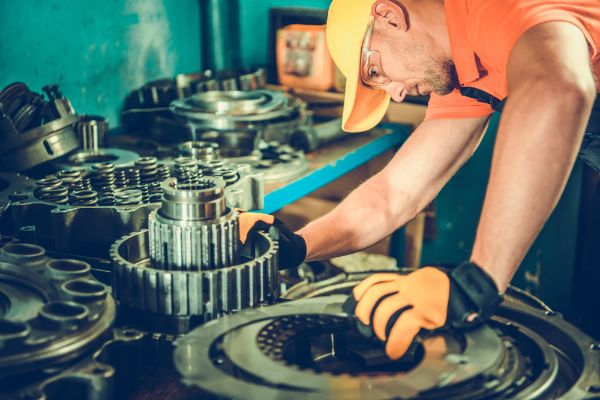
Proactive fleet maintenance dramatically extends clutch life. Technicians should routinely check clutch pedal movement, inspect hydraulic and linkage systems, evaluate clutch brake function, and examine flywheel condition during service. Ensuring proper adjustment and alignment helps prevent uneven wear and sudden failure.
Driver education also plays a major role in clutch longevity. Instructing operators to avoid riding the pedal, shift smoothly, choose proper gears for load and grade, and avoid holding the clutch on inclines reduces strain and heat buildup.
Additionally, fleet managers benefit from tracking clutch service intervals, monitoring driver habits, and encouraging immediate reporting of clutch feel or shifting changes. Catching concerns early keeps trucks performing reliably and prevents unnecessary downtime.
Keep Your Fleet Performing Strong
Preventing clutch failure in commercial trucks protects equipment, avoids costly breakdowns, and ensures smooth operation during demanding workloads. With consistent inspections and smart driving practices, fleets stay productive and ready for the road ahead.
Schedule a clutch inspection and maintenance service with Olympic Truck today. Visit Olympic Truck Service or stop by our shop in Tumwater to keep your fleet operating at peak performance.